QC and recommerce
Returns grading: we prepare, you sell.
We grade goods to your scale and record the evidence. Goods and price stay yours. We do not resell or repair.
Ownership
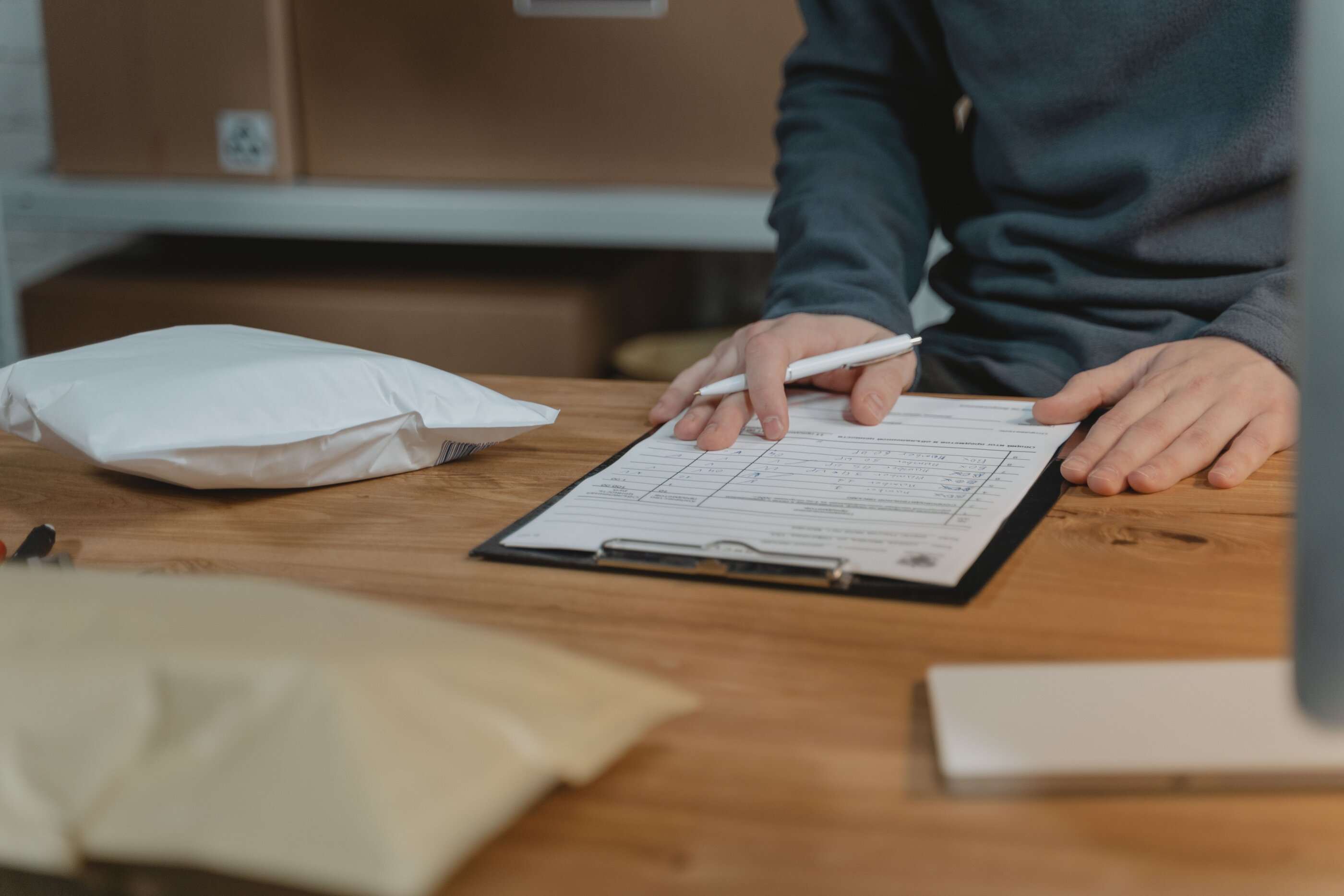
Title stays with you from start to finish. We do not buy your returns or take a share of what they sell for, so the grade follows your scale.
Grading scales
A returns grading scale, defined by the client.
You choose the number of grades, the names and the thresholds. This one exists only to show the level of detail that makes a scale usable on the bench.
The real problem
A grade means nothing if two people read it differently.
Without a written scale, "like new" means different things to different people at the bench. One accepts a missing outer sleeve, another rejects a faint mark on the inside, and a third has no instruction to go on. Your second-hand listing then promises a condition the box does not reliably match, and the item comes back a second time.
Grading works only when the scale is written in terms a person can check with the item in hand. Which marks are acceptable, on which surface, how visible, in what light. What has to be in the box. What a photograph has to show.
That scale is yours, because you know your products and you are the one selling them. Our job is to apply it consistently and leave a record you can check. What that record has to hold up against is covered in our guide to evidence in returns quality control.
- Your labels and your thresholds, in writing
- Reference photographs for the borderline cases
- A record per item, not a monthly impression
Workflow
From a returned item to a record you can sell against.
Items arrive from your returns flow or as an inbound batch you ask us to check. Example process. Scale, instruction and reporting are agreed in writing, and tested on a sample before volume.
- 01
Write the scale
We turn your criteria into a work instruction per product group, with reference photographs for borderline cases. Anything ambiguous comes back to you as a question.
Criteria from you / written with ShipRevo
- 02
Calibrate on a sample
A sample is graded and returned to you for review, so disagreements surface while they are cheap. The instruction is corrected before volume starts.
Graded by ShipRevo / approved by you
- 03
Identify and inspect
SKU, plus serial or lot where relevant. Condition and completeness checked against the instruction. Photographs as your procedure requires.
Done by ShipRevo
- 04
Assign the grade
The grade is recorded against the item. A case the scale does not cover is held and sent to you rather than rounded up.
Your scale applied by ShipRevo
- 05
Prepare
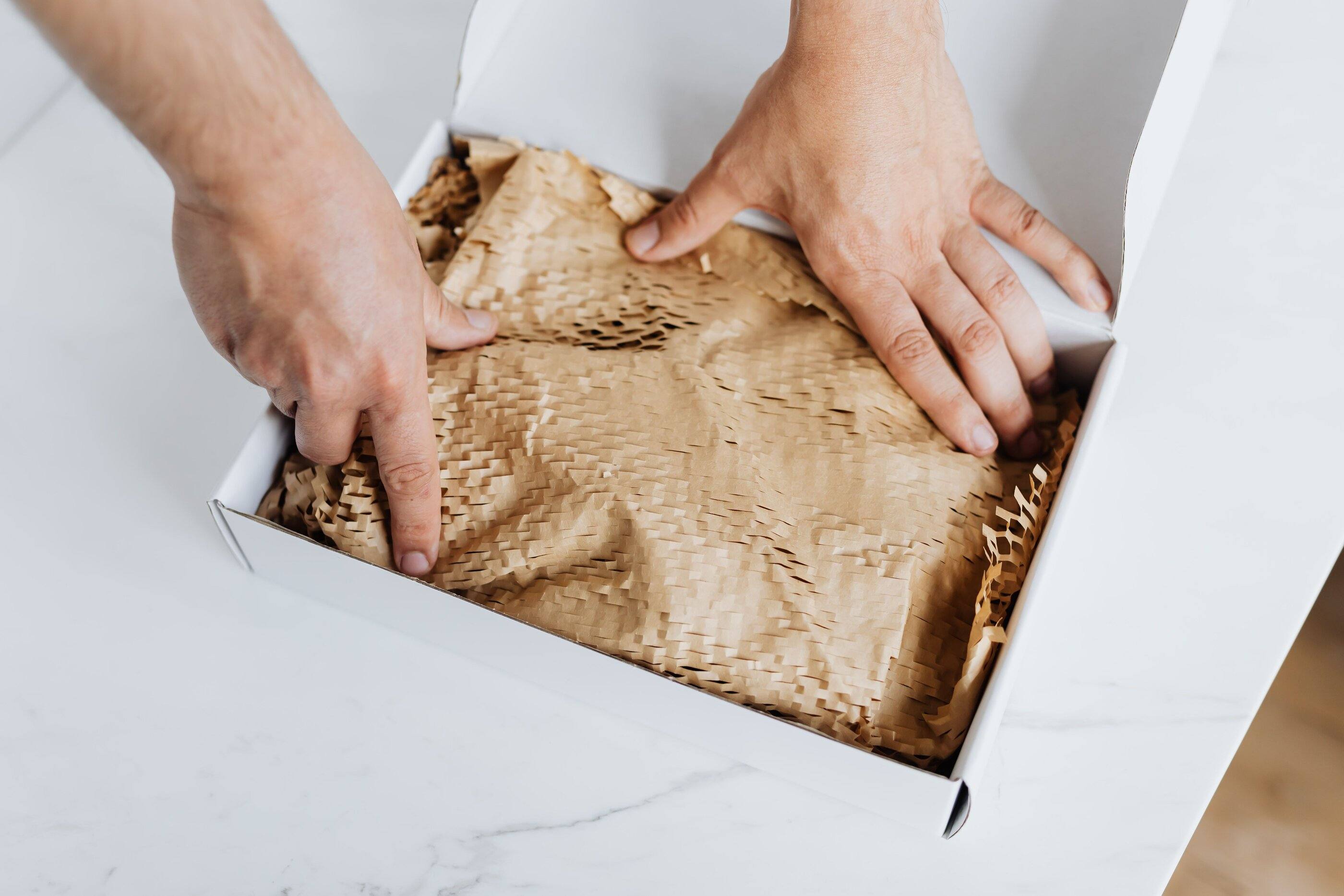
Only what your instruction lists: surface cleaning where the product allows it, reboxing, inserts, condition labels.
Done by ShipRevo / instruction from you
- 06
Separate and release
Graded stock is kept under its own SKU or condition code, to keep a used item from being picked against an order for a new one. You decide where it is sold and we dispatch it when an order arrives.
Done by ShipRevo / sale by you
Preparation, not resale
We prepare. We do not sell.
Recommerce covers two very different jobs. We do the warehouse half and leave the commercial and technical half to you and your own specialists. It suits products that hold value after a return, merchants selling second-hand through their own channel, and inbound batches that need checking. It does not suit you if you want someone to take the goods and turn them into cash, or if the item is worth less than the check: we will say so.
Preparation we can do
- Inspection and grading to your written scale
- Photographic evidence to your procedure
- Surface cleaning, where your instruction allows it and the product tolerates it
- Reboxing and replacing packaging, materials supplied or agreed
- Condition labels and relabelling, and inserts you supply
- Rebuilding complete sets from parts you supply, to a written work instruction
- Separate stock under condition SKUs, and dispatch of your orders
Not something we do
- Reselling goods, listing them on marketplaces or acting as a seller
- Setting prices or describing goods to buyers
- Repair or refurbishment of any kind
- Opening devices, fault diagnosis or secure data erasure
- Clinical, laboratory or other regulated testing
- Hygiene or disinfection claims, and any statement of legal compliance for the goods
- Licensed waste disposal
- Dangerous goods, pharmaceuticals or chilled food, which are outside our scope. Lithium batteries are checked individually
Whether a returned or used product may be resold, and how it must be described, is a question for you and your adviser. Some categories have specific rules.
FAQ
What grading costs, and what merchants ask about returns QC.
What does returns grading cost?
Prices are not published, since a two-grade check of a sealed box and a detailed inspection of a garment are different jobs. These are the lines you will see on a quote. Setting up the instruction and calibration (set-up work, agreed in advance): number of product groups and grades, reference photographs. Inspection and grading (per item): depth of the check, product complexity, number of criteria. Photographic evidence (per item or set): views required and handling time. Preparation (per item or job): cleaning, reboxing, labelling, inserts. Materials (per item used): your own or sourced packaging. Storage of graded and held stock (per storage unit and period): volume, and how long goods wait for a decision. The quote lists each driver with its assumptions. Work beyond the written instruction is approved by you before it happens.
Do you have your own grading scale?
No. The scale has to match what you promise your buyers, so you define it and we help make it checkable. If you are starting from nothing, we will ask the questions that get you to a first version.
Can you sell the graded goods for us?
No. We do not resell goods, list them on marketplaces or act as a seller. You sell through your own channels or to a buyer you choose, and we pick, pack and dispatch your orders or hand goods over as you instruct.
Who owns the goods during all this?
You do, throughout. We hold and handle them for you. Liability for goods in our care is set out in the contract, so please read that part, and check your own insurance position too.
Can you test whether a product works?
Only a simple check that a warehouse operator can do from a written instruction, and we assess that individually before quoting. We do not open devices, diagnose faults or run regulated tests. Without that, the grade describes appearance and completeness, and it should be labelled that way when you sell.
Do you repair or refurbish products?
No. If an item needs repair, it goes to quarantine and back to you, or to a specialist you appoint.
Can we audit a grade afterwards?
That is why the record exists. It holds the grade, date, operator, instruction version and any photographs your procedure requires. If you disagree with a result, we check it against the instruction and correct whichever one is wrong.
Does QC work on inbound stock as well?
Yes. We can check a new delivery against your specification before it joins stock, with non-conforming units held for your decision. See also how we approach inbound and the onboarding process.
What can the record hold?
You choose the depth, because it sets the cost. Evidence is useful only if someone will read it, so we suggest starting with what your customer service or resale listing actually needs. Per item: SKU, and serial or lot where relevant; grade assigned, and the instruction version used; date and operator; order or RMA reference, if the item came from a return. Photographs: overall view, as your procedure defines it; close-up of each defect that affected the grade; serial or lot marking, if required; packaging state before any rework. Per batch or period: items graded by product group and grade; exceptions awaiting your decision; stock moved to condition SKUs; materials and work used, as billed.
Next step
Send us your scale, or the problem that needs one.
Tell us what comes back, what it is worth to you, and where you would sell it. If you do not have a scale yet, say so. We will start with the questions.