Returns and RMA / Wrocław
Returns management that ends in a decision.
We register, inspect and route returns by rules you set. The refund decision stays with you.
The starting point
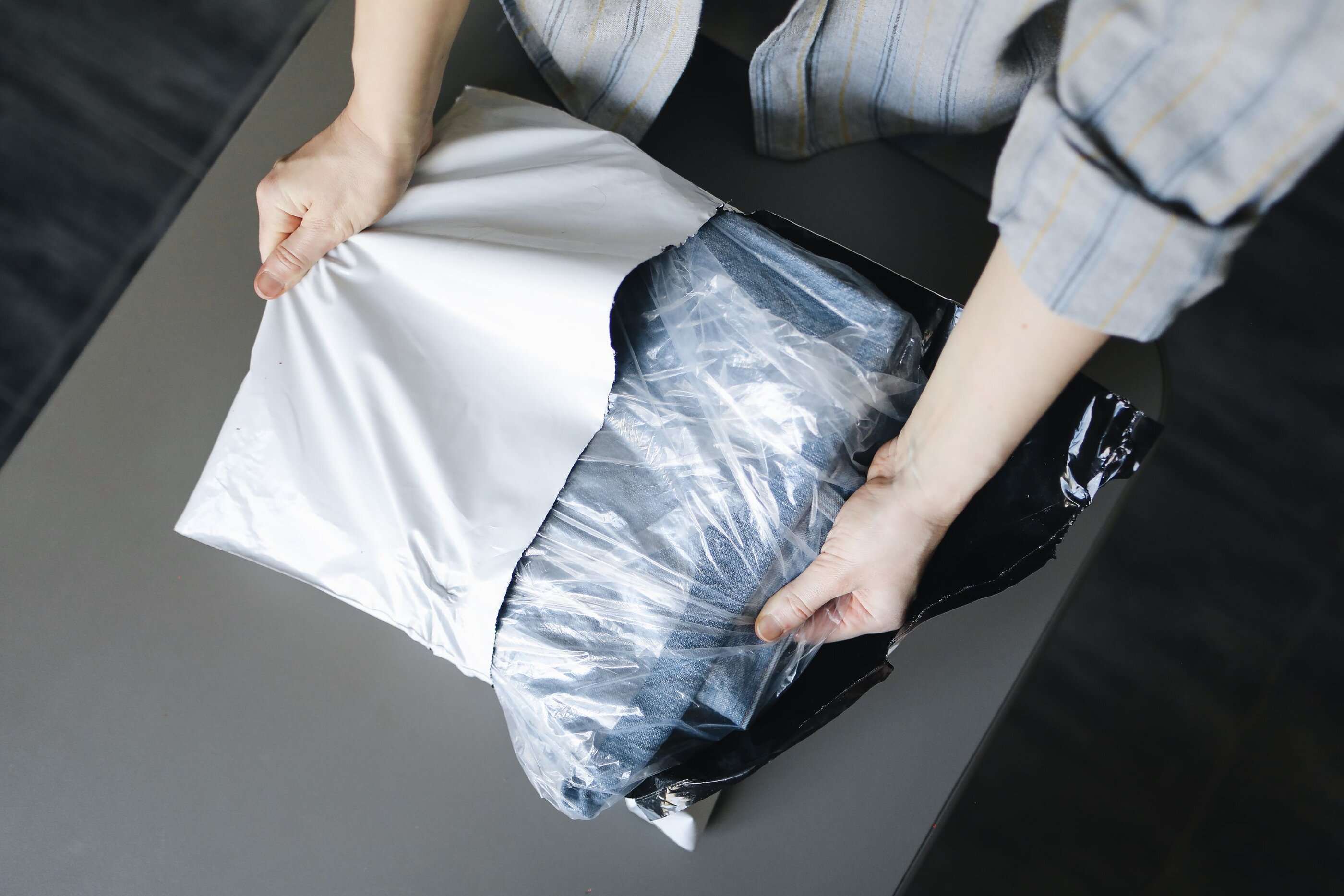
A returned parcel is not stock yet. Until someone checks it, it is an open question: what came back, in what state, and who decides the next step.
Workflow
How returns processing works, in order.
Seven steps from the dock to your report. Your procedure sets the criteria at each one, and the depth of each check is something you choose and pay for accordingly.
Six parcels, and how each one ends.
When the box is opened, it turns out to be...
Back to saleable stock
- Who decides
- Your procedure, applied by our team. No extra approval needed.
- Effect on stock
- Released to available stock once the check is logged.
- What is recorded
- SKU confirmation, RMA or order match, date and operator.
Repack, then back to stock
- Who decides
- Your procedure says what packaging is still acceptable and which material replaces it.
- Effect on stock
- Held until repacked, then released.
- What is recorded
- Condition note, photographs if required, material used.
Quarantine, then your call
- Who decides
- You. A possible swap is a question between you and your customer, and we have no view on it.
- Effect on stock
- Blocked in a separate location. Not counted as available.
- What is recorded
- Serial or lot found against serial or lot shipped, photographs of the unit and its markings.
Quarantine, packaging kept
- Who decides
- You decide whether a carrier claim is pursued. Your procedure says how long outer packaging is kept.
- Effect on stock
- Blocked. Goes back on sale only if you release it after inspection.
- What is recorded
- Outer carton and label photographed before opening where your procedure asks, damage photographs, parcel reference.
Waiting for your decision
- Who decides
- You, including whether the missing part affects the refund. We report what is there and what is not.
- Effect on stock
- Held outside saleable stock until you answer.
- What is recorded
- List of what arrived against the set definition, photographs if required.
Exception, waiting for your decision
- Who decides
- You. We send everything the parcel tells us and do not assign it to a stock record on assumption.
- Effect on stock
- Held separately. Not added to any stock record.
- What is recorded
- Sender details on the label, contents, photographs and the date it arrived.
Example scenarios, not client records. Refund decisions and consumer communication stay with the merchant.
Seven stages
Seven stages
Receipt and match
The parcel is registered on arrival and matched to an order or RMA number. If you send us expected returns in advance, we match against those. A parcel that matches nothing is flagged and set aside, not guessed at.
Done by ShipRevo / reference data from youOuter check
Carton and label are checked before opening. Where your procedure asks, transport damage is photographed at this point, because once the box is open that evidence is gone.
Done by ShipRevo / depth set by your procedureIdentify
SKU confirmed against your master data, by barcode where agreed. Serial or lot number recorded where relevant and compared with what was shipped, if that data exists. Contents compared with the return note.
Done by ShipRevo / data from youInspect
Condition and completeness checked against your criteria: packaging, seals, accessories, inserts, signs of use. Photographs where your procedure calls for them.
Done by ShipRevo / criteria from youClassify
The item goes to one of four routes: back to stock, repack, quarantine, or waiting for your decision. A case your procedure does not cover goes to you as an exception. We ask rather than improvise.
Your rules applied by ShipRevo / exceptions decided by youRelease or hold
Available stock changes only for items that have been released. Quarantined goods sit in a separate location and stay out of order picking.
Done by ShipRevoReport and bill
The result is recorded per item with date and operator, and reported in the format agreed at onboarding. The same record is the basis for the invoice line, so what you pay for can be traced to what was done.
Done by ShipRevo / refund decision by youExample process. Scope, criteria and reporting are agreed with each client in writing.
Where each returned item can end up.
Disposition
Where each returned item can end up.
Four routes out of inspection, and two ways out of quarantine once you have decided. Each one ends with a record.
- Back to stockMeets your saleable criteria with no further work
- Stock status
- Available after release
- What you receive
- Item result in the agreed report
- Repack, then stockProduct passes, packaging does not, and your procedure allows replacement
- Stock status
- Held, then available
- What you receive
- Item result, material used, repack activity
- QuarantineWorn, damaged, doubtful or blocked by your rules
- Stock status
- Blocked in a separate location
- What you receive
- Condition note, photographs if required, location
- Waiting for your decisionYour procedure does not cover it, or it says to ask
- Stock status
- Held outside saleable stock
- What you receive
- Exception message with what we found
- Sent back to youYou choose this for quarantined or held goods
- Stock status
- Removed from our stock record on dispatch
- What you receive
- Dispatch record and item list
- Handed to a party you nameYou arrange collection by your own buyer or a licensed disposal company
- Stock status
- Removed from our stock record on handover
- What you receive
- Handover record and item list
Example outcomes. The contract with any buyer or disposal company is yours, and so is the decision to use one. Grades and the evidence behind each one: example scale on the grading page.
The real problem
Where e-commerce returns usually go wrong.
Without a written process, a return easily drops to the bottom of the day. It waits on a pallet near the packing benches, gets scanned back in to clear the queue, and can go on sale again before anyone has opened it. The next customer may then receive the scuffed box, or the set with a part missing.
The other failure is quieter. Items nobody can classify collect in a corner, unrecorded and unbilled, while the stock figure says they do not exist. Some were perfectly saleable. Some should not go out again. Nobody knows which, and their value falls for as long as they sit there.
Both come from the same gap: no written rule for who decides what. So that is where we begin.
- Available stock that quietly includes unchecked returns
- Items on hold with no owner and no record
- Refunds chased against parcels nobody can locate
- Damage that nobody can show to the carrier afterwards
Scope
What returns handling includes, and who it suits.
It suits merchants whose returned products are still worth recovering, with a clear condition logic (fashion, footwear, accessories, home goods) and a willingness to write the rules down. It does not suit you if you want the warehouse to rule on refunds, or only want parcels scanned back without opening them: this service is built around inspection.
Included
- Receiving and registering returned parcels
- Matching to an order or RMA (return authorisation) reference, and flagging what does not match
- SKU identification, with serial or lot number where relevant
- Condition and completeness checks to your written criteria
- Photographs where your procedure asks for them
- Repacking and restocking of items that pass
- Quarantine in a separate location, and holding pending your decision
- An item-level record and report, in a format agreed at onboarding
- Deeper grading and preparation, described on the quality control page
Not included by default
- Refund decisions: these stay with you
- Repair, or any warranty on repaired goods
- Handling legal disputes with consumers
- Licensed waste disposal
- Clinical, laboratory or other regulated testing
- Selling goods on your behalf, on any channel
- Dangerous goods, pharmaceuticals or chilled food, which are outside our scope
We do not repair goods or sell them for you. Disposal goes through a licensed company you appoint, and refunds and consumer disputes remain with you.
FAQ
What returns handling costs, and what merchants ask first.
What does returns handling cost?
A return is not one job. Separating the activities means the quote shows what a deep inspection costs against a simple one, and you can choose per product group. Parcel receipt and registration (per parcel): whether references arrive in advance, and share of parcels without a match. Inspection (per item): depth of the check, product complexity, serial or lot capture. Photographic evidence (per item or set): when your procedure requires it, and how many views. Repacking and materials (per item, plus materials): packaging type, inserts, your own or sourced material. Quarantine and held goods (per storage unit and period): volume held, and how quickly decisions come back. Sending goods on (per consignment): destination, carton or pallet, carrier rates. Extra work you approved (agreed per job): written scope for that job. No prices are published, because they depend on your products and volumes. The quote lists each driver with the assumptions written next to it.
What does the returns procedure have to answer?
We write it with you during onboarding. Answers do not need to be elegant. They need to be usable by the person holding the item. The more of this you can bring, the more accurate the quote. Data we need: SKU master data with barcodes; order or RMA references, and how they reach us; serial or lot numbers shipped, if you track them; set definitions: what belongs in the box; return address as shown to your customers. Criteria per product group: what counts as saleable; what packaging is still acceptable, and what replaces it; which goods cannot go back on sale once opened, such as hygiene items; minimum remaining shelf life for dated goods, where agreed in your scope; when photographs are required, and of what. Authority: what we may decide without asking; who decides exceptions, and who covers when they are away; the value below which an item is not worth inspecting in depth; how long goods may wait, and what happens if nobody replies; where quarantined goods go next.
Who decides whether the customer gets a refund?
You, within the rules of consumer law. We report what arrived and in what condition, and the decision and the consumer communication stay with you. If your refund process depends on our result, tell us during onboarding. We will agree how the result reaches you and test it. Refund deadlines are a legal matter between you and your customer, so please check them with your adviser.
How quickly are returns processed?
We do not publish a standard processing time. It depends on your volumes, how deep each check goes and how evenly returns arrive. What we can commit to is agreed in writing and tested in the pilot, using real test returns.
What about parcels without an RMA?
They are registered, opened as your procedure allows, and flagged as exceptions. Nothing is added to stock on an assumption. If such parcels are common, we plan the extra handling into the quote rather than discovering it on the invoice.
Do you talk to our customers?
No. We work for you and we have no contact with your customers about returns. If your customer service needs a photograph or a finding to answer a query, the record is there for it.
Do you provide a returns portal for consumers?
That is not part of our service. Return requests start in your shop or returns tool, and we take the references it produces. Tell us what you use and we will plan the connection, with a custom integration if needed. How we approach integrations.
Can you test electronics or wipe devices?
We can record serial numbers, inspect the exterior and check completeness. We do not repair, open devices, run regulated tests or erase data. Products with lithium batteries are checked individually before we quote.
Is it worth inspecting low-value items at all?
Sometimes not, and that is a legitimate answer. You can set a rule per product group, including not asking for the item back. We will tell you where the handling looks likely to outweigh the value, and the choice stays yours. More on return decisions.
Can returns from Germany come to you?
Yes, to our warehouse in Poland. We do not operate a German return address. The options are on the Poland to Germany page.
Next step
Tell us what comes back, and what should happen to it.
Your rough monthly return volume and what you do with products today are enough. We will propose a workflow and a cost structure to match.